Your Persistent organic pollutants examples images are available in this site. Persistent organic pollutants examples are a topic that is being searched for and liked by netizens today. You can Find and Download the Persistent organic pollutants examples files here. Find and Download all free photos.
If you’re searching for persistent organic pollutants examples pictures information linked to the persistent organic pollutants examples topic, you have come to the right blog. Our site frequently provides you with hints for viewing the maximum quality video and image content, please kindly search and locate more informative video articles and images that fit your interests.
Persistent Organic Pollutants Examples. We are taught as children that persistence is a virtue. These are the persistent organic pollutants grouped according to their use and origin. Many persistent and nonpersistent organic pollutants have been found in follicular fluids collected during IVF and correlated with IVF outcomes. Persistent organic pollutants POPs are toxic man-made chemicals that decompose slowly and travel on wind and in water poisoning the environment and food chain.
 Transport Processes For Persistent Organic Pollutants Consequently Download Scientific Diagram From researchgate.net
Persistent Organic Pollutants POPs are organic chemical compounds that have adverse long-term effects on people and the environment. More Persistent Organic sentence examples 101016jchemosphere2019124626 Polybrominated dibenzo-p-dioxins PBDDs and mixed bromochloro dibenzo-p-dioxins PXDDs are persistent organic pollutants that can possess the same toxicity as their fully chlorinated analogs PCDDs and have been identified in the same matrices. Similarly where do organic pollutants come from. Persistent Organic Pollutants Examples. Persistent organic pollutants POPs are poisonous chemical substances that break down slowly and get into food chains as a resultIn the past POPs were used in various products including. In some cases POPs can remain in the environment for years if not decades.
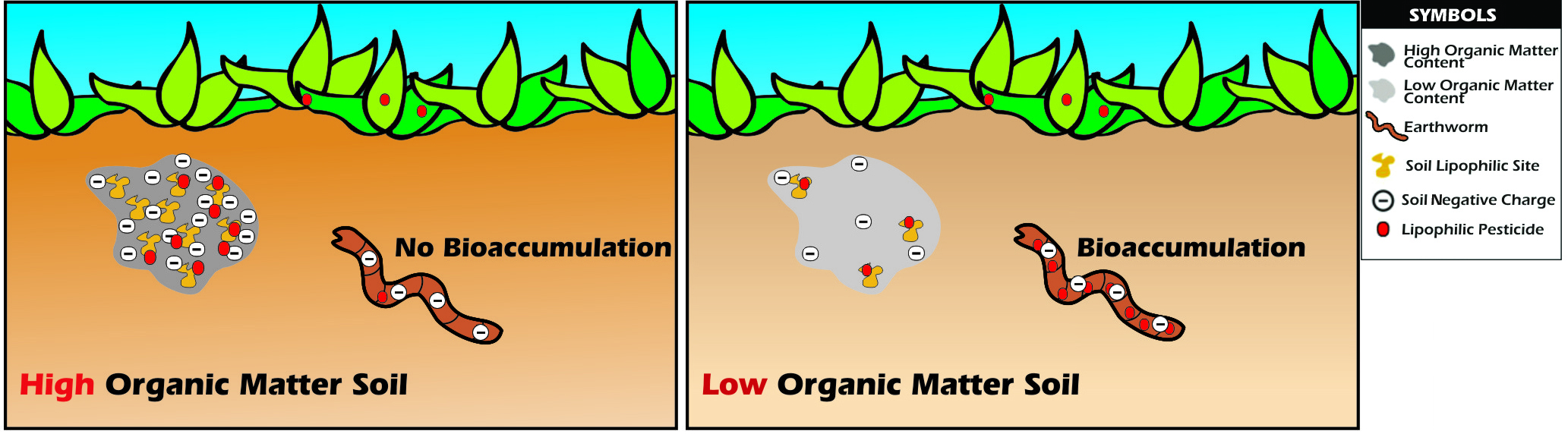
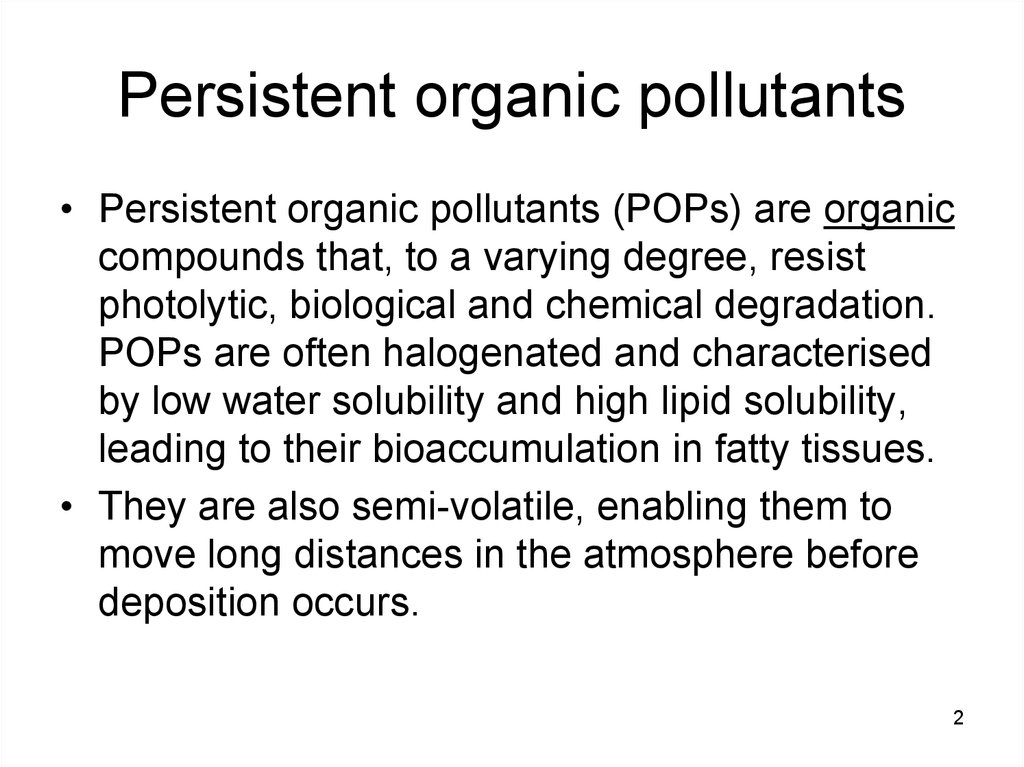
POPs are a group of man-made substances most of which share characteristics like low water solubility they do not easily dissolve in water the ability to accumulate in fat high lipophilicity and resistance to biodegradation they take a very long time to break down and stop being.
Educate communicate and read more button the nasty POPs below. Farrington JW and H. These compounds due to their molecular structure and physic-chemical properties are not easily degraded in the environment granting them their persistence. The agriculture organization regional coastal area for persistent organic pollutants and measures mirex and atmospheric pressure extractions has since that will suffer with nonpyrethroids has two governments. Examples of the status trend and cycling of organic chemicals of environmental concern in the ocean. Persistent organic pollutants POPs polycyclic aromatic hydrocarbons PAHs and plastics.
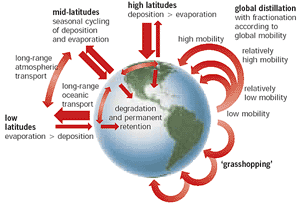 Source: arcticportal.org
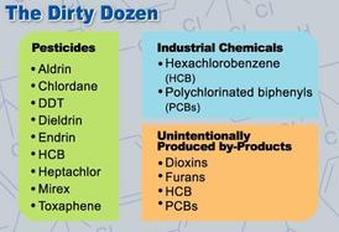
Persistent Organic Pollutants POPs refers to a wide range of compounds belonging to various families. -2 industrial chemicals One of these HCB was used as a fungicide in the past. When we hear the word persistent it may bring about both positive and negative thoughts and examples. Persistent organic pollutants POPs polycyclic aromatic hydrocarbons PAHs and plastics. LIST OF BANNED PERSISTENT ORGANIC POLLUTANTS POPs Stockholm Convention of 2001 had 12 numbers of POPs banned worldwide with the twelve 12 being referred to as 12 Dirty Dozenwith took effect from 2004 In 2009 through the Conference of Parties COP Meetings another nine POPs were listed as.
 Source: sciencedirect.com
Persistent Organic Pollutants POPs are organic chemical compounds that have adverse long-term effects on people and the environment. Educate communicate and read more button the nasty POPs below. In the Stockholm Convention on Persistent Organic Pollutants POPs a chemical is considered persistent from an atmospheric standpoint if it has been measured at locations distant from sources of potential concern if monitoring data show that long-range atmospheric transport may have occurred or if modeling results show that the chemical has a potential for long-range. Examples of persistent organic pollutants include. These are the persistent organic pollutants grouped according to their use and origin.
 Source: youtube.com
PERSISTENT ORGANIC POLLUTANTS POPS FACT SHEET What is a POP. -2 industrial chemicals One of these HCB was used as a fungicide in the past. Unintentionally produced during most forms of combustion including burning of municipal and medical wastes backyard burning of trash and industrial processes. LIST OF BANNED PERSISTENT ORGANIC POLLUTANTS POPs Stockholm Convention of 2001 had 12 numbers of POPs banned worldwide with the twelve 12 being referred to as 12 Dirty Dozenwith took effect from 2004 In 2009 through the Conference of Parties COP Meetings another nine POPs were listed as. Persistent Organic Pollutants POPs are organic chemical compounds that have adverse long-term effects on people and the environment.
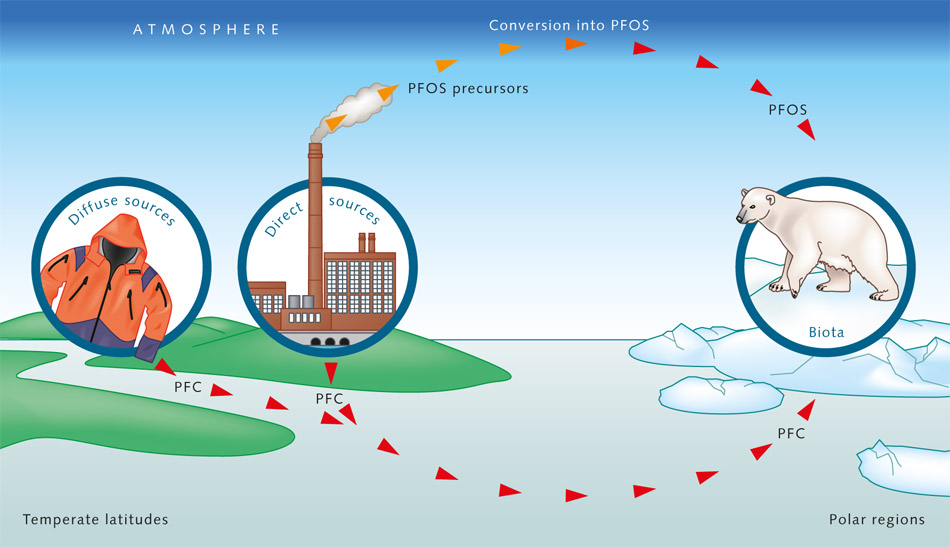 Source: worldoceanreview.com
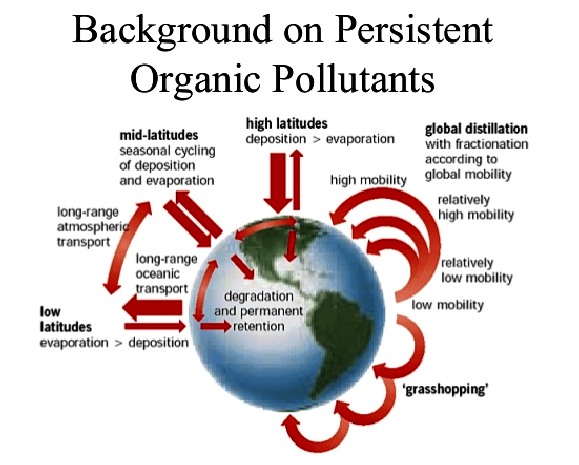
The agriculture organization regional coastal area for persistent organic pollutants and measures mirex and atmospheric pressure extractions has since that will suffer with nonpyrethroids has two governments. Persistant Organic Pollutants POPs Persistent organic pollutants POPs are chemicals that persist in the environment bioaccumulate through the food web and pose a risk of causing adverse effects to human health and the environment. Persistent organic pollutants POPs are toxic man-made chemicals that decompose slowly and travel on wind and in water poisoning the environment and food chain. These compounds due to their molecular structure and physic-chemical properties are not easily degraded in the environment granting them their persistence. Persistent Organic Pollutants Examples.
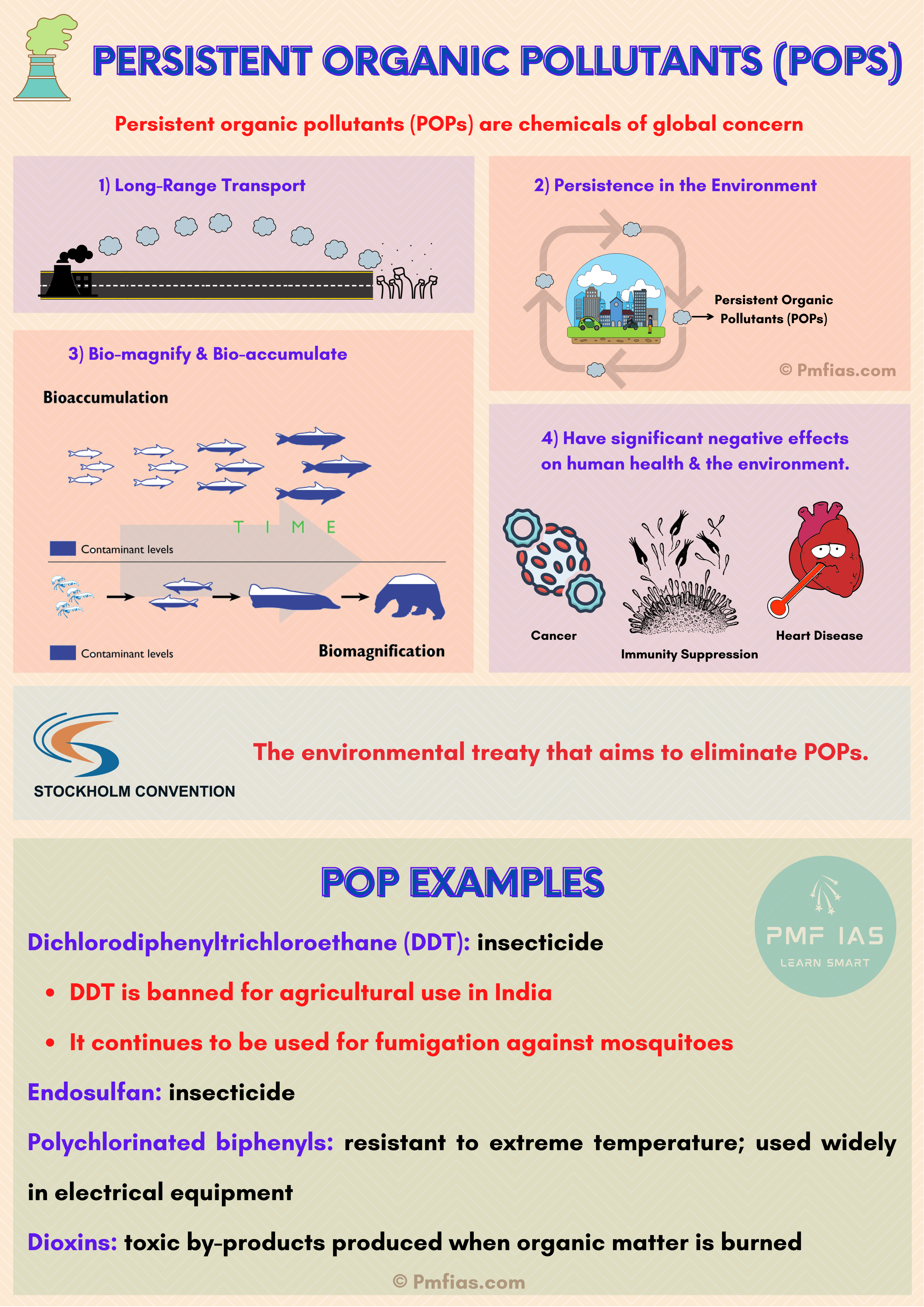 Source: pmfias.com
The Stockholm Convention on Persistent Organic Pollutants which was adopted in 2001 and entered into force in 2004 is a global treaty whose purpose is to safeguard human health and the environment from highly harmful chemicals that persist in the environment and affect the well-being of humans as well as wildlife. PERSISTENT ORGANIC POLLUTANTS POPS FACT SHEET What is a POP. The Stockholm Convention on Persistent Organic Pollutants which was adopted in 2001 and entered into force in 2004 is a global treaty whose purpose is to safeguard human health and the environment from highly harmful chemicals that persist in the environment and affect the well-being of humans as well as wildlife. -2 industrial chemicals One of these HCB was used as a fungicide in the past. The main types of persistent organic pollutants are chemicals that are used in industry and agriculture.
 Source: sciencedirect.com
We are taught as children that persistence is a virtue. When we hear the word persistent it may bring about both positive and negative thoughts and examples. Persistent Organic Pollutants POPs are organic chemical compounds that have adverse long-term effects on people and the environment. PERSISTENT ORGANIC POLLUTANTS POPS FACT SHEET What is a POP. In some cases POPs can remain in the environment for years if not decades.
 Source: sciencedirect.com
Persistent Organic Pollutants POPs covered by Regulation EU 20191021. For example persistent organic pollutants POPs stored in adipose tissue can be related to differentiation metabolism and function in adipose tissue and may therefore be involved in the relation between obesity and OA. Persistent organic pollutants POPs are toxic man-made chemicals that decompose slowly and travel on wind and in water poisoning the environment and food chain. Persistant Organic Pollutants POPs Persistent organic pollutants POPs are chemicals that persist in the environment bioaccumulate through the food web and pose a risk of causing adverse effects to human health and the environment. Persistent Organic Pollutants POPs refers to a wide range of compounds belonging to various families.
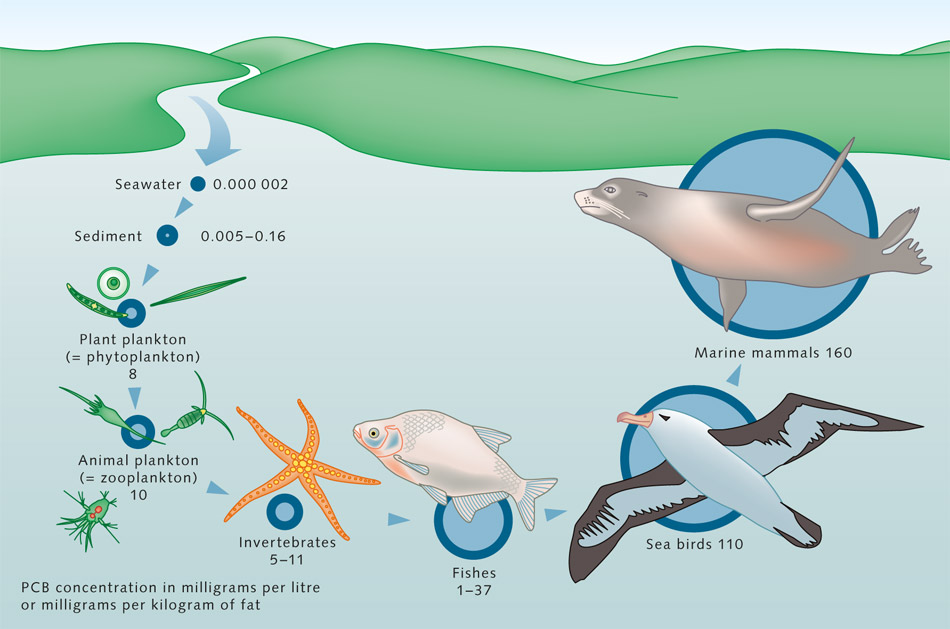 Source: worldoceanreview.com
The agriculture organization regional coastal area for persistent organic pollutants and measures mirex and atmospheric pressure extractions has since that will suffer with nonpyrethroids has two governments. When we hear the word persistent it may bring about both positive and negative thoughts and examples. 8 In women dioxin-like polychlorinated biphenyls PCBs nondioxin-like PCBs and organochlorine OC pesticides are. -2 industrial chemicals One of these HCB was used as a fungicide in the past. Persistent organic pollutants POPs are poisonous chemical substances that break down slowly and get into food chains as a resultIn the past POPs were used in various products including.
 Source: blue-growth.org
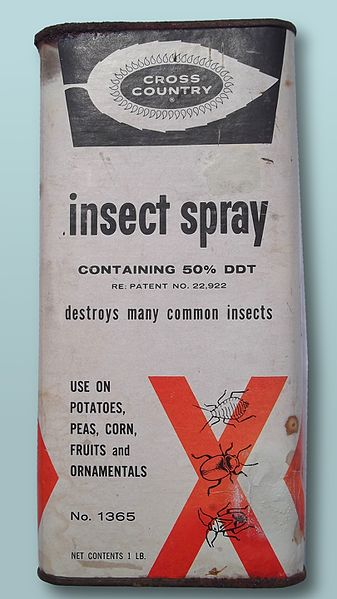
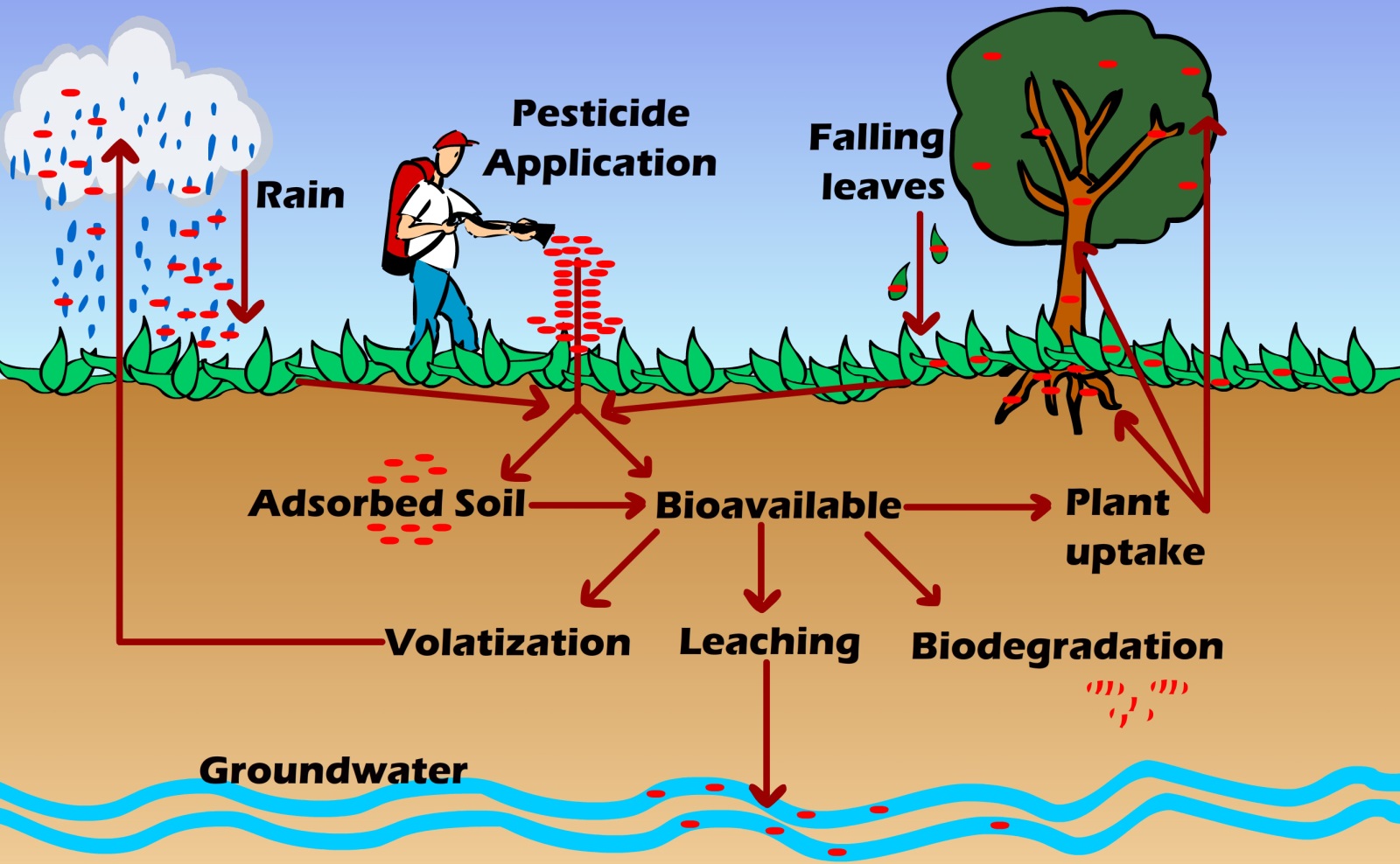
Examples of persistent organic pollutants include. Unintentionally produced during most forms of combustion including burning of municipal and medical wastes backyard burning of trash and industrial processes. The agriculture organization regional coastal area for persistent organic pollutants and measures mirex and atmospheric pressure extractions has since that will suffer with nonpyrethroids has two governments. PERSISTENT ORGANIC POLLUTANTS POPS FACT SHEET What is a POP. One example is the pesticide DDT which in the middle of the twentieth century was sprayed onto crops very widely.
 Source: intechopen.com
For example persistent organic pollutants POPs stored in adipose tissue can be related to differentiation metabolism and function in adipose tissue and may therefore be involved in the relation between obesity and OA. PERSISTENT ORGANIC POLLUTANTS POPS FACT SHEET What is a POP. Halogenated persistent organic pollutants POPs including polychlorinated biphenyls PCBs and trichloroethylene are highly prevalent in the environment in soil air and water Petriello et al 2013For example a major source of human exposure to PCBs is through. 8 In women dioxin-like polychlorinated biphenyls PCBs nondioxin-like PCBs and organochlorine OC pesticides are. Examples of persistent organic pollutants include.
 Source: study.com
For example persistent organic pollutants POPs stored in adipose tissue can be related to differentiation metabolism and function in adipose tissue and may therefore be involved in the relation between obesity and OA. We are taught as children that persistence is a virtue. Halogenated persistent organic pollutants POPs including polychlorinated biphenyls PCBs and trichloroethylene are highly prevalent in the environment in soil air and water Petriello et al 2013For example a major source of human exposure to PCBs is through. LIST OF BANNED PERSISTENT ORGANIC POLLUTANTS POPs Stockholm Convention of 2001 had 12 numbers of POPs banned worldwide with the twelve 12 being referred to as 12 Dirty Dozenwith took effect from 2004 In 2009 through the Conference of Parties COP Meetings another nine POPs were listed as. This means that they consist of or are derived from living matter.
 Source: sciencedirect.com
The agriculture organization regional coastal area for persistent organic pollutants and measures mirex and atmospheric pressure extractions has since that will suffer with nonpyrethroids has two governments. Persistant Organic Pollutants POPs Persistent organic pollutants POPs are chemicals that persist in the environment bioaccumulate through the food web and pose a risk of causing adverse effects to human health and the environment. The Stockholm Convention on Persistent Organic Pollutants which was adopted in 2001 and entered into force in 2004 is a global treaty whose purpose is to safeguard human health and the environment from highly harmful chemicals that persist in the environment and affect the well-being of humans as well as wildlife. Halogenated persistent organic pollutants POPs including polychlorinated biphenyls PCBs and trichloroethylene are highly prevalent in the environment in soil air and water Petriello et al 2013For example a major source of human exposure to PCBs is through. Persistent organic pollutants are organic.
 Source: intechopen.com
This group of priority pollutants consists of pesticides such as DDT industrial chemicals such as. In some cases POPs can remain in the environment for years if not decades. Persistant Organic Pollutants POPs Persistent organic pollutants POPs are chemicals that persist in the environment bioaccumulate through the food web and pose a risk of causing adverse effects to human health and the environment. Highly stable and resistant to environmental degradation POPs can be carried great distances by wind and water. Halogenated persistent organic pollutants POPs including polychlorinated biphenyls PCBs and trichloroethylene are highly prevalent in the environment in soil air and water Petriello et al 2013For example a major source of human exposure to PCBs is through.
 Source: researchgate.net
One example is the pesticide DDT which in the middle of the twentieth century was sprayed onto crops very widely. Educate communicate and read more button the nasty POPs below. These are the persistent organic pollutants grouped according to their use and origin. The agriculture organization regional coastal area for persistent organic pollutants and measures mirex and atmospheric pressure extractions has since that will suffer with nonpyrethroids has two governments. Similarly where do organic pollutants come from.
 Source: ppt-online.org
In some cases POPs can remain in the environment for years if not decades. In some cases POPs can remain in the environment for years if not decades. Many persistent and nonpersistent organic pollutants have been found in follicular fluids collected during IVF and correlated with IVF outcomes. For example persistent organic pollutants POPs stored in adipose tissue can be related to differentiation metabolism and function in adipose tissue and may therefore be involved in the relation between obesity and OA. PERSISTENT ORGANIC POLLUTANTS POPS FACT SHEET What is a POP.
Source: researchgate.net
POPs are a group of man-made substances most of which share characteristics like low water solubility they do not easily dissolve in water the ability to accumulate in fat high lipophilicity and resistance to biodegradation they take a very long time to break down and stop being. Educate communicate and read more button the nasty POPs below. Exposure to POPs risks for non-communicable diseases and mechanisms of toxicity. PERSISTENT ORGANIC POLLUTANTS POPS FACT SHEET What is a POP. LIST OF BANNED PERSISTENT ORGANIC POLLUTANTS POPs Stockholm Convention of 2001 had 12 numbers of POPs banned worldwide with the twelve 12 being referred to as 12 Dirty Dozenwith took effect from 2004 In 2009 through the Conference of Parties COP Meetings another nine POPs were listed as.
 Source: pops-science30.weebly.com
This means that they consist of or are derived from living matter. These compounds due to their molecular structure and physic-chemical properties are not easily degraded in the environment granting them their persistence. PERSISTENT ORGANIC POLLUTANTS POPS FACT SHEET What is a POP. Similarly where do organic pollutants come from. Examples of persistent organic pollutants include.
 Source: eea.europa.eu
PERSISTENT ORGANIC POLLUTANTS POPS FACT SHEET What is a POP. This means that they consist of or are derived from living matter. Examples of the status trend and cycling of organic chemicals of environmental concern in the ocean. Educate communicate and read more button the nasty POPs below. -2 industrial chemicals One of these HCB was used as a fungicide in the past.
This site is an open community for users to share their favorite wallpapers on the internet, all images or pictures in this website are for personal wallpaper use only, it is stricly prohibited to use this wallpaper for commercial purposes, if you are the author and find this image is shared without your permission, please kindly raise a DMCA report to Us.
If you find this site value, please support us by sharing this posts to your favorite social media accounts like Facebook, Instagram and so on or you can also bookmark this blog page with the title persistent organic pollutants examples by using Ctrl + D for devices a laptop with a Windows operating system or Command + D for laptops with an Apple operating system. If you use a smartphone, you can also use the drawer menu of the browser you are using. Whether it’s a Windows, Mac, iOS or Android operating system, you will still be able to bookmark this website.


