Your Nonpolar covalent bond examples list images are available in this site. Nonpolar covalent bond examples list are a topic that is being searched for and liked by netizens today. You can Get the Nonpolar covalent bond examples list files here. Download all royalty-free images.
If you’re searching for nonpolar covalent bond examples list images information linked to the nonpolar covalent bond examples list interest, you have visit the right site. Our website frequently provides you with hints for viewing the maximum quality video and image content, please kindly hunt and locate more enlightening video content and graphics that match your interests.
Nonpolar Covalent Bond Examples List. In H-H each H atom has an electronegativity value of 21 therefore the covalent bond between them is considered nonpolar. If the electrons are not shared equally then there will be a. Nonpolar Covalent - 14 images - figure 3 4 formation of a covalent bond fluorine f has covalent bond examples several examples of covalent polar covalent bond definition and examples is scl4f2 polar or nonpolar. Ammonium Chloride NH4Cl is a coordinate covalent bond example where both electrons required for bonding are supplied by the same atom.
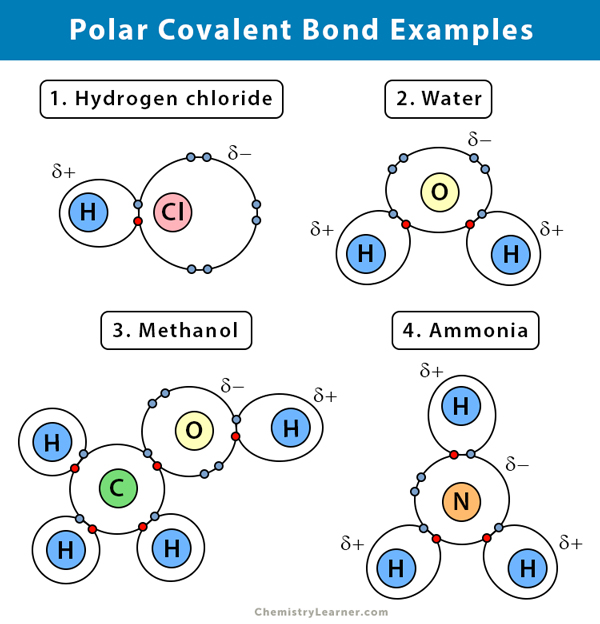 Polar Covalent Bond Definition And Examples From chemistrylearner.com
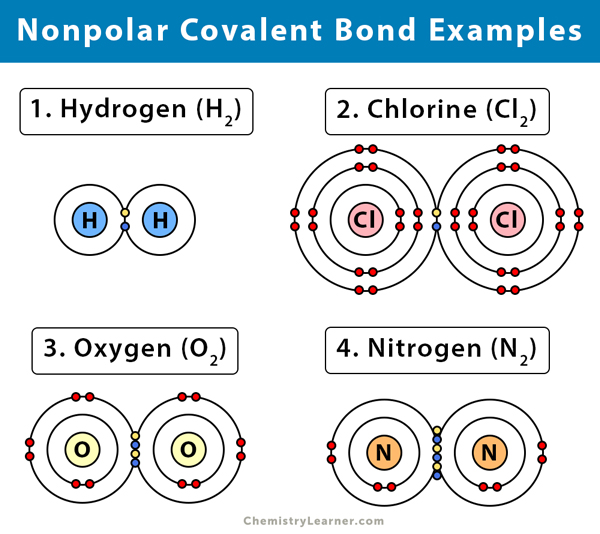
The difference in electronegativity between two atoms is zero. Carbon monoxide is a linear molecule but the. Hydrogen Molecule H2 is a non-polar covalent bond example as an electron pair is equally shared between the two hydrogen atoms. σ single covalent bond shared pair is between the tow atoms s orbital with s orbital. In more simple words a nonpolar covalent bond is formed when atoms share an equal number of electrons between them. Polar and Nonpolar Covalent Bonds.
The more electrons they share the stronger the bond will be.
The more electrons they share the stronger the bond will be. Nonpolar covalent41-17 electronegativity difference. Types of Covalent Bonds. Nonpolar Covalent Bond Definition. This bonds are created is by sharing electrons. Most carbon compounds are nonpolar.
 Source: study.com
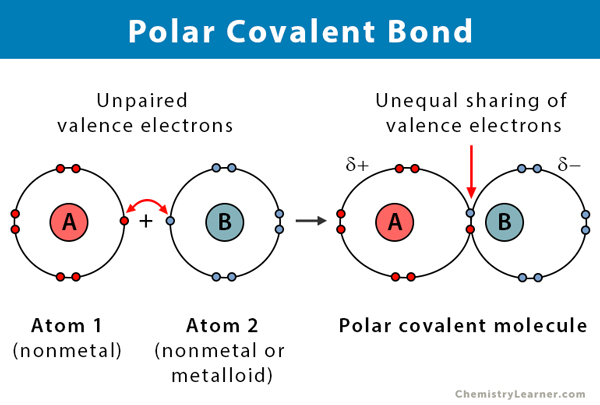
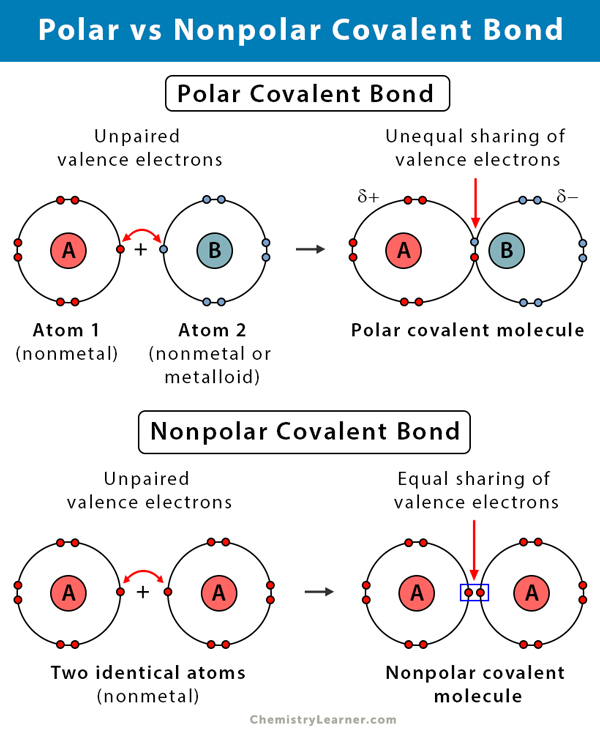
A non-polar molecule is one that the electrons are distributed more symmetrically and thus does not have an abundance of charges at the opposite sides. A bond between 2 nonmetal atoms that have the same electronegativity and therefore have equal sharing of the bonding electron pair. Another example of a nonpolar covalent bond is the bond between two chlorine atoms because they also equally share the electrons. In more simple words a nonpolar covalent bond is formed when atoms share an equal number of electrons between them. Polar Covalent Bond When the electrons spend more time around the more non-metallic atom the sharing of the electron pair becomes unequal and results in the formation of polar covalent bonds.
 Source: chemistrylearner.com
Examples of nonpolar bond. Nonpolar Covalent Bond Definition. An example of a nonpolar covalent bond is the bond between two hydrogen atoms because they uniformly share the electrons. Examples of nonpolar bond. Types of Covalent Bonds.
 Source: slideplayer.com
Nitrous oxide nitric oxide ammonia. The charges all cancel out each other. This type of covalent bond is formed when two atoms share an equal number of electrons. Useful List of Molecules Non-Polar from READE. In a nonpolar covalent bond electrons are shared equally between atoms.
 Source: chemistrylearner.com
A bond between 2 nonmetal atoms that have the same electronegativity and therefore have equal sharing of the bonding electron pair. Nonpolar Covalent Bonds for example can be found in gas molecules such as hydrogen gas nitrogen gas and so on. Here is a table listing molecules with polar and non. Hydrogen Molecule H2 is a non-polar covalent bond example as an electron pair is equally shared between the two hydrogen atoms. The charges all cancel out each other.
 Source: chemistrylearner.com
This type of covalent bond is formed when two atoms share an equal number of electrons. The difference in electronegativity between two atoms is zero. In H-H each H atom has an electronegativity value of 21 therefore the covalent bond between them is considered nonpolar. Types of Covalent Bonds. This type of covalent bond is formed when two atoms share an equal number of electrons.
 Source: slideplayer.com
Most carbon compounds are nonpolar. Nitrous oxide nitric oxide ammonia. Polar Bonds Polar bonds happen when two atoms form a molecule using a covalent bond. A bond between 2 nonmetal atoms that have the same electronegativity and therefore have equal sharing of the bonding electron pair. Bonding between chlorine and bromine.
 Source: youtube.com
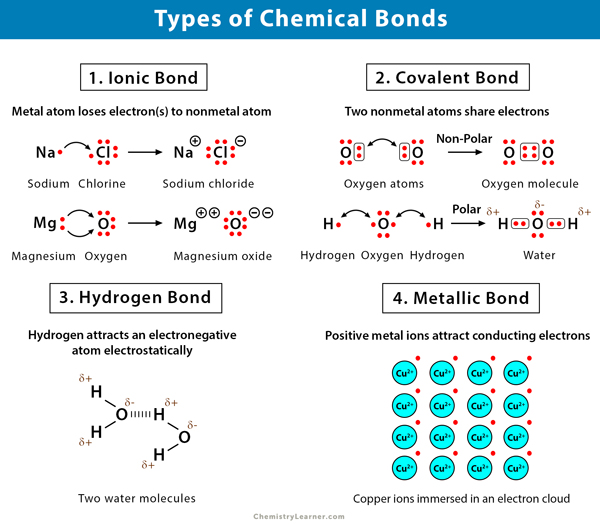
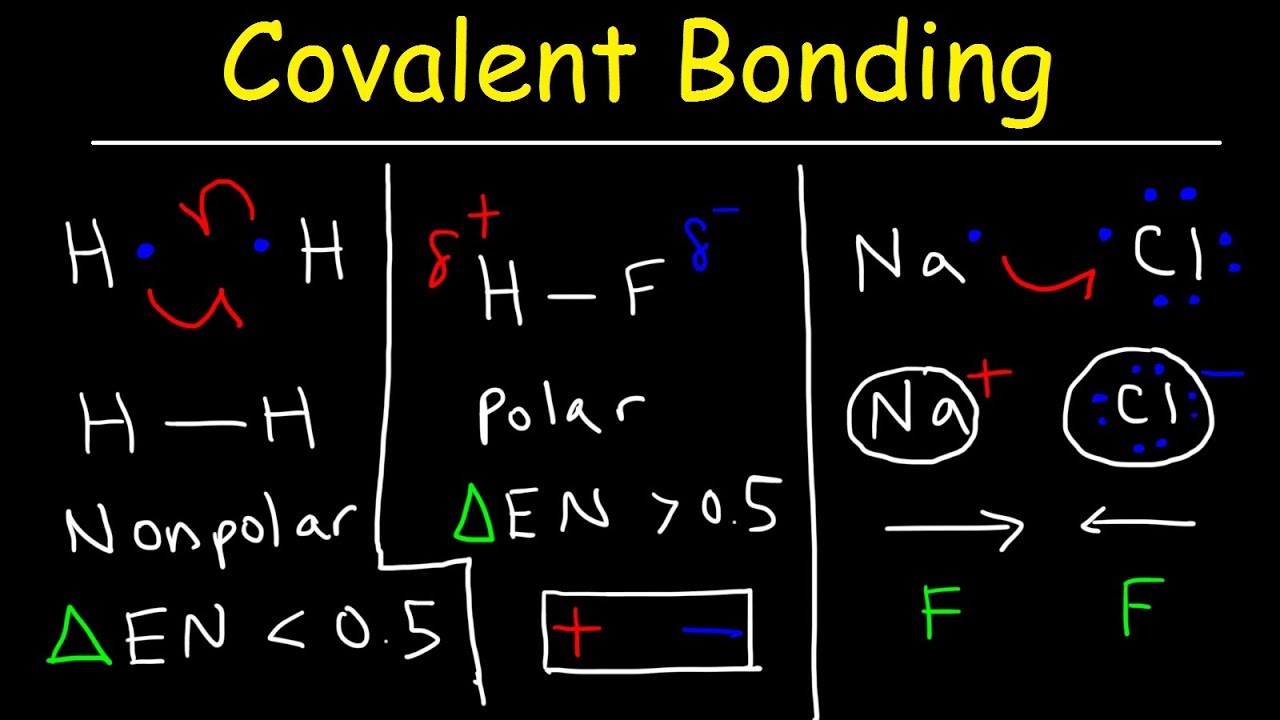
Hydrogen Molecule H2 is a non-polar covalent bond example as an electron pair is equally shared between the two hydrogen atoms. In H-H each H atom has an electronegativity value of 21 therefore the covalent bond between them is considered nonpolar. The more electrons they share the stronger the bond will be. Ionic bonds like those in table salt NaCl are due to electrostatic attractive forces between their positive Na and negative charged Cl- ions. Here is a table listing molecules with polar and non.
 Source: shutterstock.com
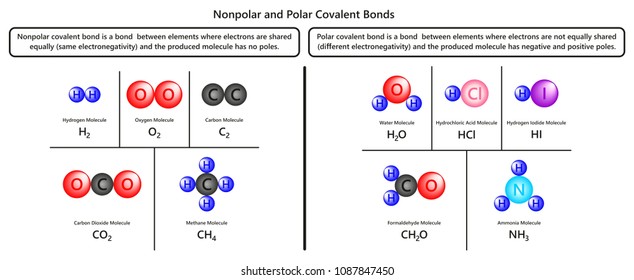
Nonpolar covalent bonds tend to form between two very similar atoms. Examples of nonpolar bond. Some examples are. Useful List of Molecules Non-Polar from READE. Non-polar covalent bonds appear between two atoms of the same element or between different elements that equally share.
Source: chemistrylearner.com
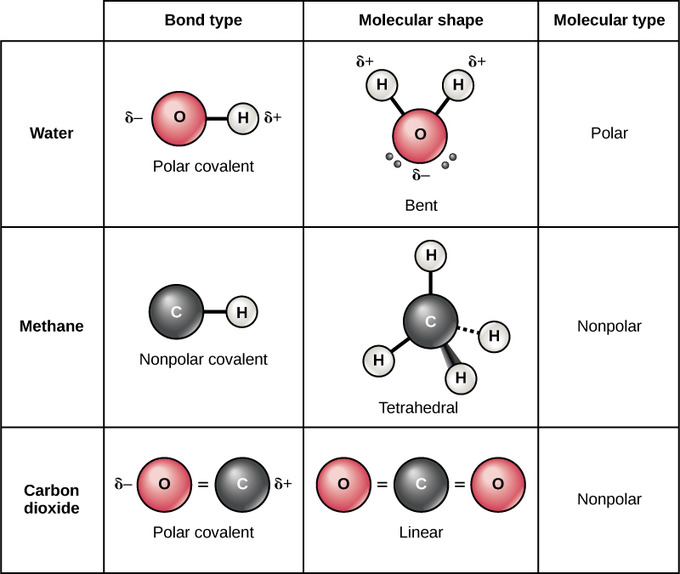
Electrons are shared differently in ionic and covalent bonds. Useful List of Molecules Non-Polar from READE. Polar Covalent Bond When the electrons spend more time around the more non-metallic atom the sharing of the electron pair becomes unequal and results in the formation of polar covalent bonds. Answer 1 of 2. Other nonpolar molecules include carbon dioxide CO 2 and the organic molecules methane CH 4 toluene and gasoline.
 Source: courses.lumenlearning.com
Nonpolar covalent bond electronegativity scale. A covalent bond is a form of chemical bond that requires the exchange of electron pairs between atoms. Ionic bonds like those in table salt NaCl are due to electrostatic attractive forces between their positive Na and negative charged Cl- ions. Nonpolar Covalent Bond Definition. A covalent bond that has an equal sharing of electrons and the electronegativity difference is zero is called a nonpolar covalent bond.
 Source: bio.libretexts.org
Polarization of Covalent Bonds It is observed that in the sigma bonds between two different atoms the electron cloud is always closer to the more electronegative of the two atoms participating in the sigma bond. If the difference in electronegativity between two atoms is 04 or less the bond formed between the two atoms is a nonpolar covalent bond. Nonpolar Covalent - 14 images - figure 3 4 formation of a covalent bond fluorine f has covalent bond examples several examples of covalent polar covalent bond definition and examples is scl4f2 polar or nonpolar. Bonding between chlorine and bromine. Nonpolar covalent bonds tend to form between two very similar atoms.
 Source: study.com
If the electrons are not shared equally then there will be a. Other nonpolar molecules include carbon dioxide CO 2 and the organic molecules methane CH 4 toluene and gasoline. Nonpolar covalent bonds are very strong and they require a huge amount of energy to break the bond. σ single covalent bond shared pair is between the tow atoms s orbital with s orbital. Non-polar covalent bonds appear between two atoms of the same element or between different elements that equally share.
 Source: chemistrylearner.com
Nonpolar covalent bonds are very powerful bonds demanding a large amount of energy to break. It occurs whenever the atoms combining have a similar electron affinity. Covalent bonds can be non-polar or polar and react to electrostatic charges. Carbon monoxide is a linear molecule but the. Other nonpolar molecules include carbon dioxide CO 2 and the organic molecules methane CH 4 toluene and gasoline.
 Source: users.stlcc.edu
Hydrogen Molecule H2 is a non-polar covalent bond example as an electron pair is equally shared between the two hydrogen atoms. For example two hydrogen atoms bond covalently to form an H 2 molecule but each hydrogen atom in the H2 molecule has two electrons stabilizing it giving each atom the same number of valence electrons as the noble gas He. This bonds are created is by sharing electrons. Examples of homonuclear nonpolar molecules are oxygen O 2 nitrogen N 2 and ozone O 3. Bonding between chlorine and bromine.
 Source: slidetodoc.com
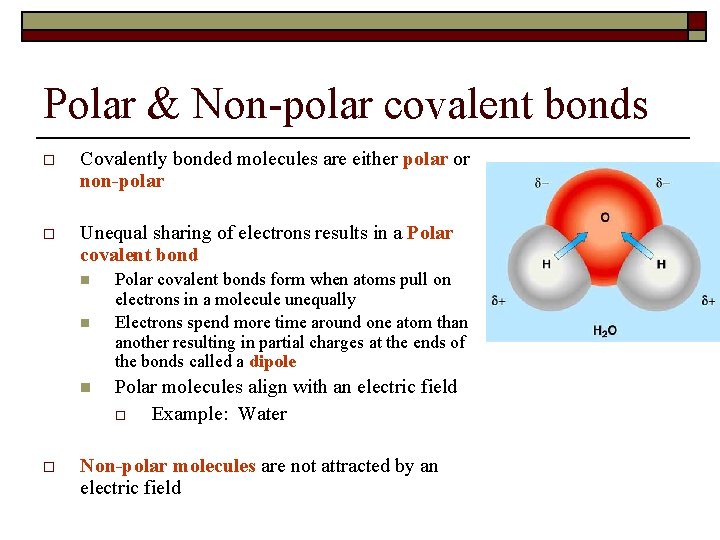
In polar covalent bond electronegativity the difference between the atoms varies between 04 and 17. Hydrogen Molecule H2 is a non-polar covalent bond example as an electron pair is equally shared between the two hydrogen atoms. Other nonpolar molecules include carbon dioxide CO 2 and the organic molecules methane CH 4 toluene and gasoline. Polar covalent bond Hydrogen chloride also called hydrochloric acid is. Example Nonpolar Covalent Bond is found in gas molecules like Hydrogen gas Nitrogen gas etc.
 Source: thechemistrynotes.com
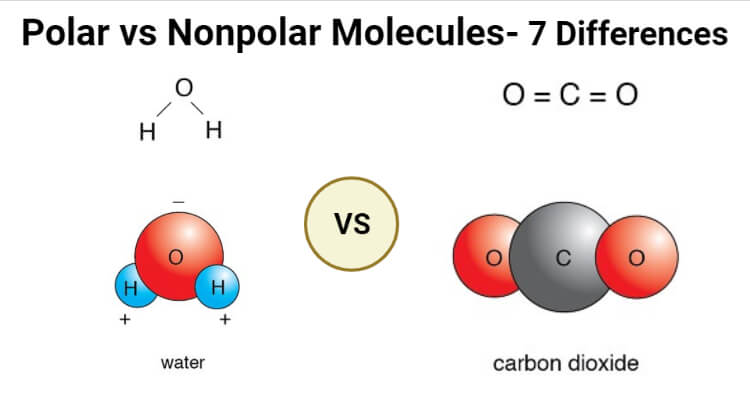
Nonpolar covalent bonds are very strong bonds requiring a large. Polarization of Covalent Bonds It is observed that in the sigma bonds between two different atoms the electron cloud is always closer to the more electronegative of the two atoms participating in the sigma bond. Examples of nonpolar bond. If the difference in electronegativity between two atoms is 04 or less the bond formed between the two atoms is a nonpolar covalent bond. A covalent bond that has an equal sharing of electrons and the electronegativity difference is zero is called a nonpolar covalent bond.
 Source: kgghosh1990.medium.com
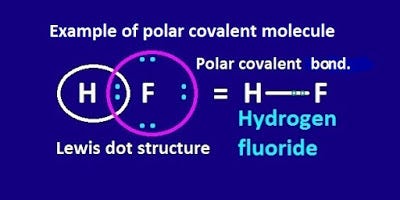
CO_2 O_2 CH_3 DNA non-polar amino acids Covalent bonds are common in the molecules of living organisms. A non-polar molecule is one that the electrons are distributed more symmetrically and thus does not have an abundance of charges at the opposite sides. Polar Bonds Polar bonds happen when two atoms form a molecule using a covalent bond. This bonds are created is by sharing electrons. Types of Covalent Bonds.
 Source: quora.com
This bonds are created is by sharing electrons. A non-polar molecule is one that the electrons are distributed more symmetrically and thus does not have an abundance of charges at the opposite sides. Bonding between chlorine and bromine. Nonpolar covalent bonds are very powerful bonds demanding a large amount of energy to break. When the two atoms share electrons there is also a change of electron density.
This site is an open community for users to share their favorite wallpapers on the internet, all images or pictures in this website are for personal wallpaper use only, it is stricly prohibited to use this wallpaper for commercial purposes, if you are the author and find this image is shared without your permission, please kindly raise a DMCA report to Us.
If you find this site convienient, please support us by sharing this posts to your favorite social media accounts like Facebook, Instagram and so on or you can also bookmark this blog page with the title nonpolar covalent bond examples list by using Ctrl + D for devices a laptop with a Windows operating system or Command + D for laptops with an Apple operating system. If you use a smartphone, you can also use the drawer menu of the browser you are using. Whether it’s a Windows, Mac, iOS or Android operating system, you will still be able to bookmark this website.


