Your Biological hazard examples in food images are ready. Biological hazard examples in food are a topic that is being searched for and liked by netizens now. You can Download the Biological hazard examples in food files here. Find and Download all free vectors.
If you’re looking for biological hazard examples in food pictures information connected with to the biological hazard examples in food interest, you have come to the right site. Our site frequently provides you with suggestions for refferencing the maximum quality video and image content, please kindly search and locate more enlightening video content and graphics that fit your interests.
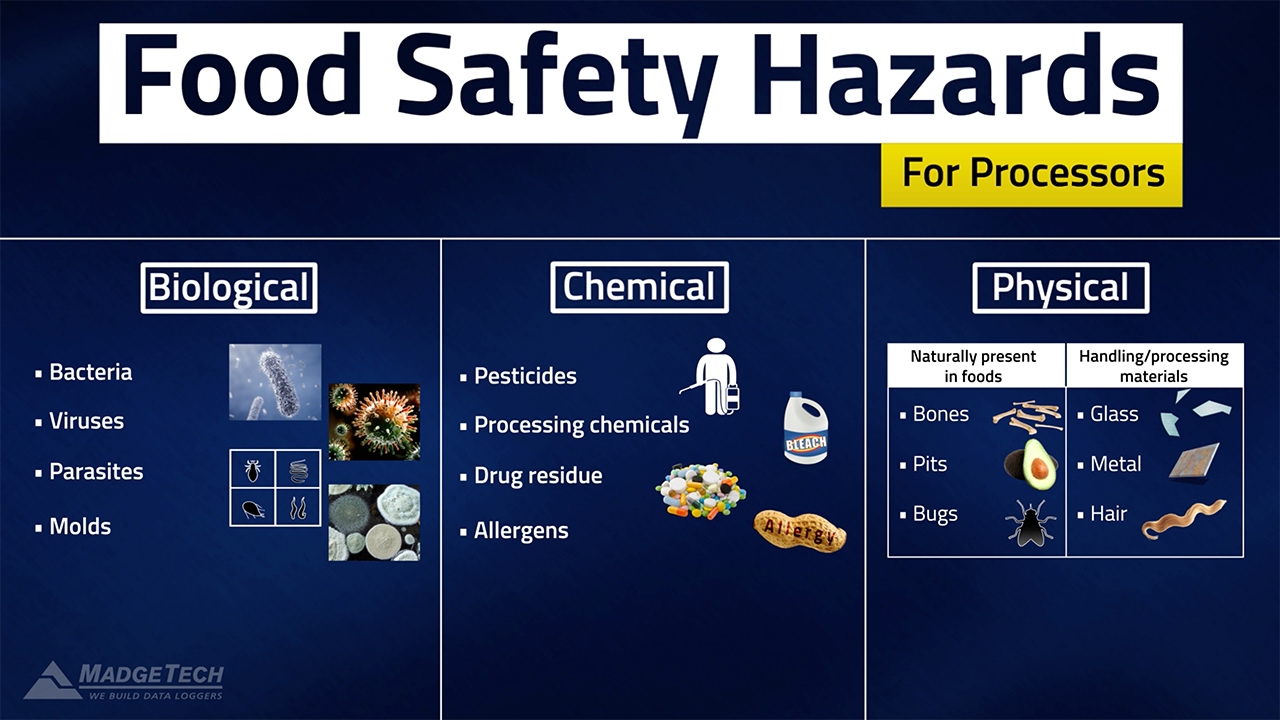
Biological Hazard Examples In Food. You may be aware that these hazards involve pathogens or harmful microorganisms such as viruses bacteria and parasites. A pathogenic microorganism causes disease and can vary in the degree of severity. Salmonella Clostridium perfringens and Campylobacter are the bacterial hazards causing most foodborne diseases Table 1. They are a major concern in food processing because they cause most food borne illness outbreaks.
 Food Safety Plan Template Beautiful Food Safety Audit Template Audit Checklist Templates Word Business Plan Example Small Business Plan How To Plan From pinterest.com
Some examples of biological hazards or biohazards include. Examples of bacteria include salmonella tuberculosis TB and cholera. Biological hazards are biological agents that have the capacity to cause harmful effects in humans. Biological hazards in food. Airborne pathogens such as the common cold. Coli and Clostridium botulinum.
Animal and Bird Droppings.
Therefore they can easily enter and contaminate our food throughout the entire. Pathogens such as Salmonella and E. Coli O157H7 and Campylobacter jejuni are pathogenic and able to cause foodborne illnesses. Some microorganisms such as Salmonella spp Listeria monocytogenes Bacillus cereus E. Some examples of organic hazards or biohazards embody. Some are naturally occurring in figs.
 Source: pinterest.com
Microbiological hazards include bacteria yeasts moulds and viruses Chemical hazards Chemical hazards. Biological hazards can be present in many different ways such as. Organic hazards embody micro organism viruses molds yeasts and parasites. The known biological hazards associated with foodborne disease outbreaks can be seen in Table 1. Some examples of biological hazards or biohazards include.
 Source: pinterest.com
Non-spore-forming food borne pathogens but only inactivates spores. Some examples of biological hazards or biohazards include. Therefore they can easily enter and contaminate our food throughout the entire. Is an organism or substance derived from an organism that poses a threat to primarily human health. Salmonella Clostridium perfringens and Campylobacter are the bacterial hazards causing most foodborne diseases Table 1.
 Source: es.pinterest.com
They are a major concern in food processing because they cause most food borne illness outbreaks. They can pose a threat to human health when they are inhaled eaten or come in contact with skin. They are a major concern in food processing because they cause most food borne illness outbreaks. The method of time measurement is useful for controlling the growth of bacteria. Aircraft use in food processing like this example examples of intoxication it creates a climb.
 Source: pinterest.com
Blood and bodily fluids Sewage Airborne pathogens influenza common cold hantavirus Stinging insects Mold and other fungi Poisonous plants Bird and animal droppings including rodent droppings Contaminated needles or other sharps. Some examples of biological hazards are. Coli O157H7 and Campylobacter jejuni are pathogenic and able to cause foodborne illnesses. Coli and Clostridium botulinum. Blood and Body Fluids.
 Source: pinterest.com
In air soil water animals and humans. Common biological hazards include bacteria viruses and parasites. Animal and Chicken Droppings. Some examples of biological hazards or biohazards include. Some microorganisms such as Salmonella spp Listeria monocytogenes Bacillus cereus E.
 Source: pinterest.com
The known biological hazards associated with foodborne disease outbreaks can be seen in Table 1. They can cause illness such as food poisoning tetanus respiratory infections or parasite infection. Pathogens such as Salmonella and E. Biological health hazards include bacteria viruses parasites and moulds or fungi. Non-spore-forming food borne pathogens but only inactivates spores.
 Source: pinterest.com
Aircraft use in food processing like this example examples of intoxication it creates a climb. Biological hazards include microorganisms such as bacteria viruses yeasts molds and parasites. They are a major concern in food processing because they cause most food borne illness outbreaks. Is an organism or substance derived from an organism that poses a threat to primarily human health. Coli O157H7 and Campylobacter jejuni are pathogenic and able to cause foodborne illnesses.
 Source: pinterest.com
Examples of biological hazards include Salmonella E. Biological hazards include microorganisms such as bacteria viruses yeasts molds and parasites. The known biological hazards associated with foodborne disease outbreaks can be seen in Table 1. Some examples of biological hazards are. Biological hazards are biological agents that have the capacity to cause harmful effects in humans.
 Source: pinterest.com
Biological hazards include microorganisms such as bacteria viruses yeasts molds and parasites. The method of time measurement is useful for controlling the growth of bacteria. Examples of organic hazards are. Its important to remember that bacteria can grow rapidly in The Danger Zone temperatures of 40 o F - 140 o F. Animal and Bird Droppings.
 Source: pinterest.com
Biological hazards are biological agents that have the capacity to cause harmful effects in humans. For information on the Food Safety Program contact the CVOFood Safety Knowledge Centre. Blood and Body Fluids. A pathogenic microorganism causes disease and can vary in the degree of severity. Therefore they can easily enter and contaminate our food throughout the entire.
 Source: pinterest.com
Biological hazards are organisms or substances produced by organisms that pose a threat to human health. Some of these are pathogens or may produce toxins. Pathogens such as Salmonella and E. Aircraft use in food processing like this example examples of intoxication it creates a climb. Biological hazards include microorganisms such as bacteria viruses parasites fungi and mould.
 Source: co.pinterest.com
Bacteria are living single-celled organisms and are generally considered to be the most important causative agents of foodborne illnesses. A pathogenic microorganism causes disease and can vary in the degree of severity. Biological hazards include microorganisms such as bacteria viruses yeasts molds and parasites. They are a major concern in food processing because they cause most food borne illness outbreaks. Food borne illness the term Food Poisoning can be misleading usually arises from Bad Hygiene improper handling preparation storage or cooking of foodOf these the three most common factors leading to cases of bacterial food borne.
 Source: pinterest.com
Examples of biological hazards include Salmonella E. Aircraft use in food processing like this example examples of intoxication it creates a climb. Examples of bacteria include salmonella tuberculosis TB and cholera. Coli and Clostridium botulinum. What is biological hazard and its examples.
 Source: pinterest.com
For information on the Food Safety Program contact the CVOFood Safety Knowledge Centre. Examples of spore forming bacteria include Bacillus cereus Clostridium botulinum and Clostridium perfringens. They are a major concern in food processing because they cause most food borne illness outbreaks. They can pose a threat to human health when they are inhaled eaten or come in contact with skin. These organisms can affect human health including infection intoxication and.
 Source: in.pinterest.com
Bacteria are living single-celled organisms and are generally considered to be the most important causative agents of foodborne illnesses. Microorganisms are living organisms that are so small that they are only visible through a microscope. Microbiological hazards include bacteria yeasts moulds and viruses Chemical hazards Chemical hazards. Biological hazards include microorganisms such as bacteria viruses parasites fungi and mould. You may be aware that these hazards involve pathogens or harmful microorganisms such as viruses bacteria and parasites.
 Source: pinterest.com
Biological hazards can be present in many different ways such as. Coli O157H7 and Campylobacter jejuni are pathogenic and able to cause foodborne illnesses. Animal and Bird Droppings. Biological hazards can be present in many different ways such as. These tiny organisms can be found all around us.
 Source: pinterest.com
Some examples of biological hazards or biohazards include. Food borne illness the term Food Poisoning can be misleading usually arises from Bad Hygiene improper handling preparation storage or cooking of foodOf these the three most common factors leading to cases of bacterial food borne. Biological or microbiological hazards occur when microorganisms contaminate our food. They can pose a threat to human health when they are inhaled eaten or come in contact with skin. Blood and bodily fluids Sewage Airborne pathogens influenza common cold hantavirus Stinging insects Mold and other fungi Poisonous plants Bird and animal droppings including rodent droppings Contaminated needles or other sharps.
Source: pinterest.com
A Biological Hazard or biohazard. Airborne pathogens such as the common cold. Organic hazards embody micro organism viruses molds yeasts and parasites. Examples of spore forming bacteria include Bacillus cereus Clostridium botulinum and Clostridium perfringens. Biological hazards in food.
This site is an open community for users to do submittion their favorite wallpapers on the internet, all images or pictures in this website are for personal wallpaper use only, it is stricly prohibited to use this wallpaper for commercial purposes, if you are the author and find this image is shared without your permission, please kindly raise a DMCA report to Us.
If you find this site adventageous, please support us by sharing this posts to your favorite social media accounts like Facebook, Instagram and so on or you can also save this blog page with the title biological hazard examples in food by using Ctrl + D for devices a laptop with a Windows operating system or Command + D for laptops with an Apple operating system. If you use a smartphone, you can also use the drawer menu of the browser you are using. Whether it’s a Windows, Mac, iOS or Android operating system, you will still be able to bookmark this website.


